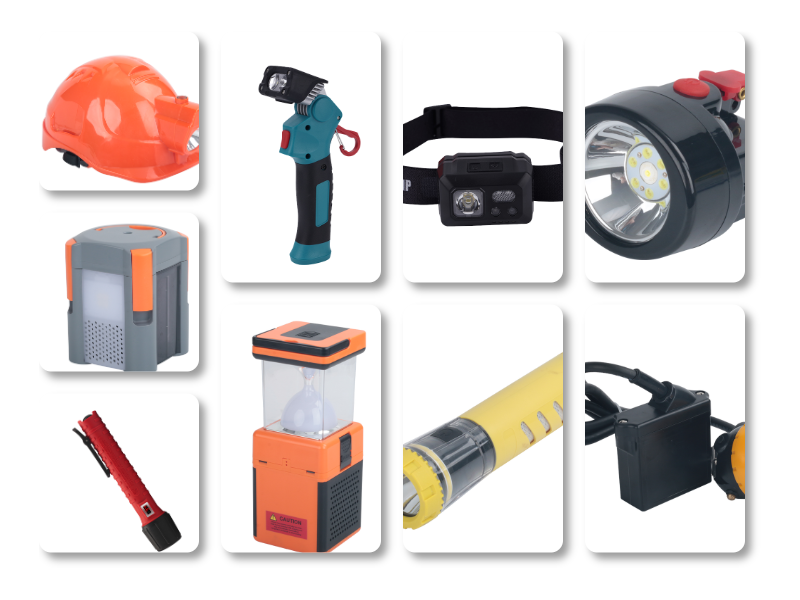
In the rapidly evolving landscape of industrial safety, hazardous area intrinsically safe tactical solutions have become paramount. This article delves into the advancements and applications of intrinsically safe technology in China, highlighting its significance in ensuring safety and efficiency in potentially explosive environments.
The Need for Intrinsically Safe Technology
Hazardous areas, such as oil refineries, chemical plants, and mining sites, are prone to explosive atmospheres due to the presence of flammable gases, vapors, or dust. Traditional electrical equipment can pose a significant risk in such environments, as sparks or heat can ignite the flammable substances, leading to catastrophic consequences. To mitigate this risk, intrinsically safe technology has emerged as a vital solution.
Intrinsically safe technology ensures that electrical equipment operates at a low power level, preventing the generation of sparks or heat that could ignite flammable substances. This technology is crucial in maintaining safety and preventing accidents in hazardous areas.
Advancements in Intrinsically Safe Technology in China
China has made significant strides in the development and application of intrinsically safe technology. The country has a robust industrial sector, and the demand for safe and efficient solutions in hazardous areas has spurred technological advancements.
One of the key advancements in China's intrinsically safe technology is the development of high-quality intrinsically safe equipment. Chinese manufacturers have been able to produce reliable and durable intrinsically safe devices that meet international standards. These devices include intrinsically safe lights, intrinsically safe communication systems, and intrinsically safe sensors.
Moreover, China has invested in research and development to improve the performance and efficiency of intrinsically safe technology. This has led to the development of innovative solutions, such as intrinsically safe wireless communication systems and intrinsically safe wearable technology.
Applications of Intrinsically Safe Technology in China
The applications of intrinsically safe technology in China are diverse and extensive. In the oil and gas industry, intrinsically safe devices are used to monitor and control processes in potentially explosive environments. Similarly, in the chemical industry, intrinsically safe equipment is employed to ensure the safe operation of reactors and storage facilities.
Mining sites in China also benefit from intrinsically safe technology. Intrinsically safe communication systems enable workers to stay connected in hazardous areas, while intrinsically safe lights provide illumination without the risk of ignition. Additionally, intrinsically safe sensors are used to detect and monitor flammable gases, helping to prevent accidents.
Challenges and Future Prospects
Despite the advancements in intrinsically safe technology, challenges remain. One of the primary challenges is the cost of implementing these solutions. High-quality intrinsically safe equipment can be expensive, making it difficult for some companies to adopt these technologies.
However, as awareness of the importance of safety in hazardous areas grows, the cost of intrinsically safe technology is expected to decrease. Additionally, the Chinese government's emphasis on industrial safety is likely to drive further innovation and reduce costs.
The future of intrinsically safe technology in China looks promising. With ongoing research and development, the industry is expected to see further advancements in the performance and efficiency of intrinsically safe devices. This will not only enhance safety in hazardous areas but also contribute to the overall efficiency and sustainability of industrial operations.
In conclusion, hazardous area intrinsically safe technology plays a crucial role in ensuring safety and efficiency in potentially explosive environments. China's advancements in this field have significantly contributed to the global adoption of intrinsically safe solutions. As the industry continues to evolve, the future of intrinsically safe technology in China looks bright, with the potential to revolutionize safety standards in hazardous areas worldwide.